Why iPhone Air feels removed from time<div class="feat-image">
</div><p>When Apple released the radically new iPhone X in 2017, it marked the beginning of a years long march into a new era of iPhone design. A year later, iPhone XR replaced the legacy iPhone 8, bringing a corner to corner display, Face ID, and the gesture based experience that largely retired big bezels and the Home button.</p>
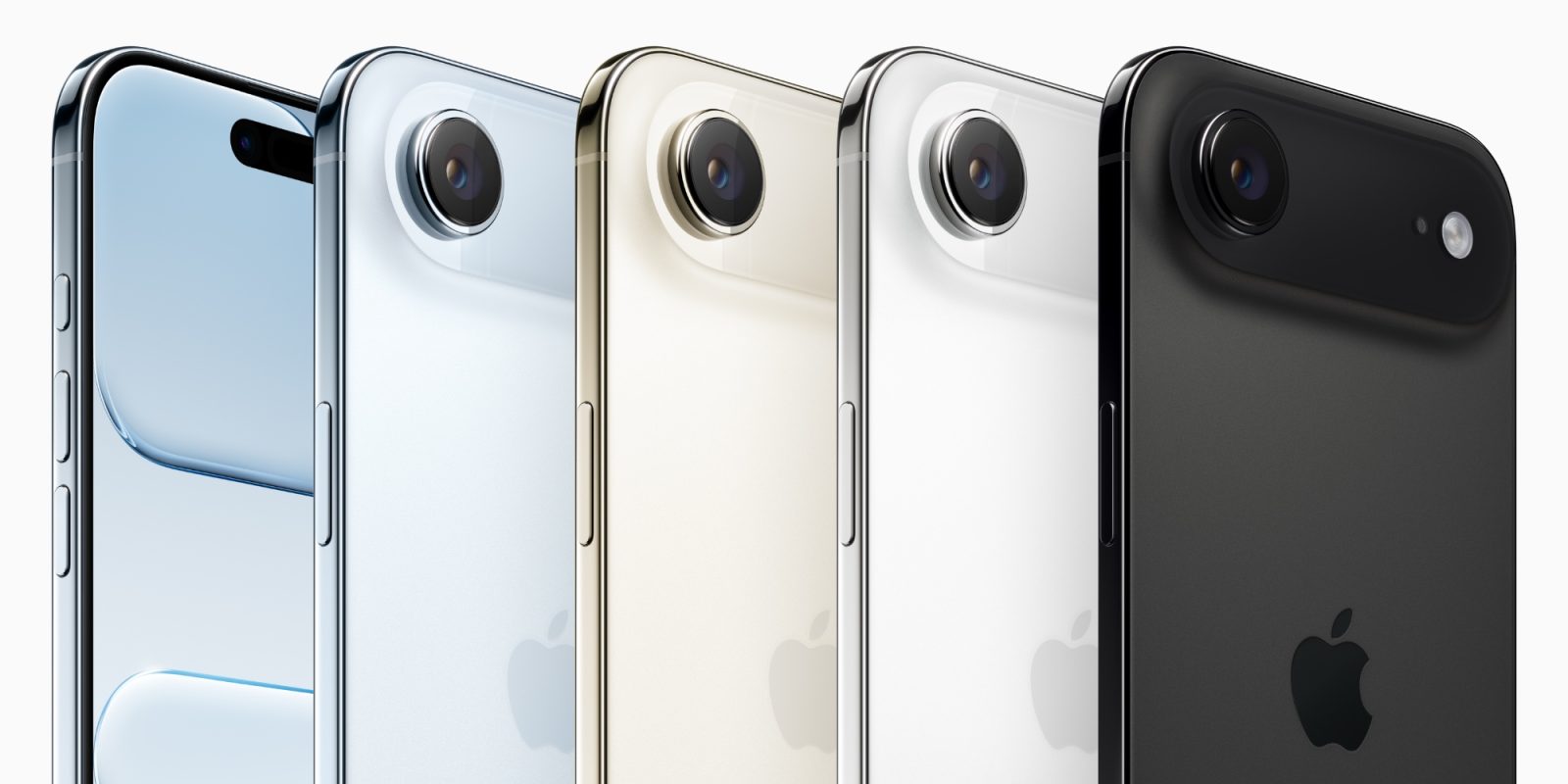
<p>Eight years later, iPhone Air stands as the closest thing Apple has delivered to another iPhone X moment. The leap is narrower in scope, but no less intentional. Where iPhone X reset expectations across the entire lineup, iPhone Air represents a deliberate divergence. Its ultra thin design favors a futuristic feel over feature maximalism, carving out a distinct place alongside Appleā€™s more traditional models.</p>
<p>iPhone Air is also expected to remain on the market longer than iPhone X did. Apple replaced iPhone X with iPhone XS in less than a year. iPhone Air, on the other hand, has a looser relationship with time.</p>
<a data-layer-pagetype="post" data-layer-postcategory="iphone,iphone-air" data-layer-viewtype="unknown" data-post-id="1033060" href="
https://9to5mac.com/2025/12/18/why-iphone-air-feels-removed-from-time/#more-1033060" class="more-link">moreā
Why iPhone Air feels removed from time
